
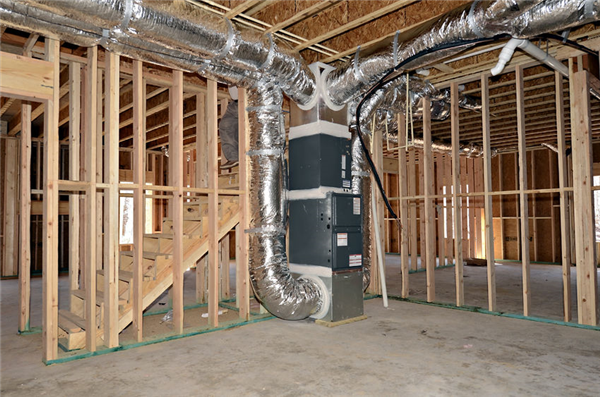
How Does HVAC Ductwork Work?
Posted on December 4, 2019 • By OWA
The Anatomy of HVAC Ductwork
Understanding the hidden veins of your home’s comfort system.
When you think of HVAC, you likely picture the bulky condenser outside or the furnace in the closet. But between those units and your vents lies a complex network of metal channels: the ductwork. This system is the “circulatory system” of your home, and its health determines your energy bills and air quality.
Main Duct Components
🏗️ Ducts (Trunks & Pipes)
The Duct Trunk is the main artery connected directly to your air handler. From there, smaller Duct Pipes branch off to individual rooms. Most are crafted from galvanized steel for longevity, while “Flex Piping” (flexible aluminum) is used to navigate tight wall cavities and corners.
🔧 Duct Transitions & Stacks
Every home is unique, which is why Transitions are vital—they allow pipes to change shape or direction to maintain airflow velocity. In multi-story DFW homes, we often use Stacks—thin, vertical pipes designed to fit inside standard wall framing to move air between floors.
⚠️ Signs of Duct Failure
Without proper maintenance, your ducts can become a liability. Watch for these red flags:
- Debris Buildup: Restricts airflow and forces your blower motor to work harder.
- Energy Spikes: Leaky transitions can waste up to 30% of your heated or cooled air.
- Poor IAQ: Dusty or moldy ducts circulate hazards directly into your bedrooms.
THE RIGHT WAY IS THE ONLY WAY
Optimize Your Airflow Today
Leaky ducts cost DFW homeowners thousands. Get a professional inspection.
Only Way Air • Precision Ductwork & Ventilation • DFW Metroplex